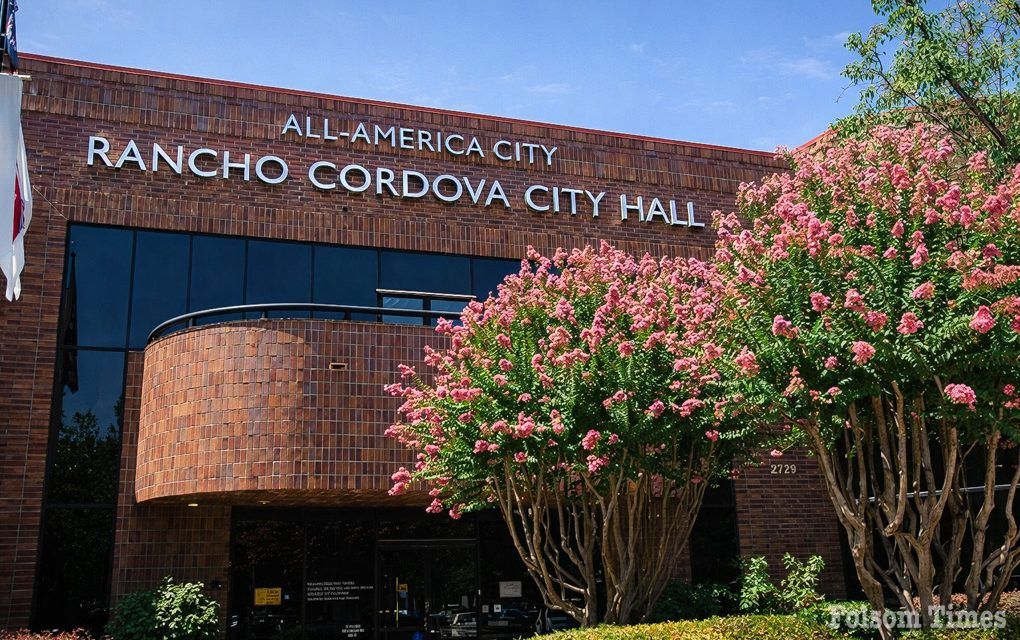
RANCHO CORDOVA — TheCity of Rancho Cordovahas recently released its Draft Active Transportation Plan, opening a final public comment period that runs through Friday, Feb. 20, 2026, and marking a significant step forward in how the city plans for walking, biking and rolling in the years ahead.
The draft plan, commonly referred to as an ATP, outlines a comprehensive, citywide strategy for improving non-motorized travel throughout Rancho Cordova. It is intended to make everyday trips safer and more accessible for residents who walk, bike, use mobility devices or connect to transit, while also strengthening the way neighborhoods, schools, parks, shopping areas and employment centers are linked together.
City officials describe this stage of the process as the final opportunity for the public to influence the document before it is finalized and brought before the Rancho Cordova City Council for adoption later this year. Once approved, the plan will serve as a long-range blueprint guiding transportation decisions, capital investments and future grant applications.
Residents can review the draft plan and submit comments through the city’s interactive portal athttps://arcg.is/fzSLW0.
A Plan Shaped by How People Actually Move
The Draft Active Transportation Plan did not emerge in isolation. It is the product of months of data analysis and community engagement designed to better understand how people move through Rancho Cordova today, and where they encounter challenges doing so safely and comfortably.
Beginning in 2025, the city launched a broad outreach effort that included public workshops, surveys, mapping tools and pop-up engagement events. Residents were asked not only where they walk or bike, but where they avoid doing so — and why. Clear patterns emerged, with many participants pointing to high vehicle speeds, difficult crossings, missing sidewalks and disconnected bicycle routes as obstacles to everyday travel.
That feedback, combined with technical analysis, revealed that active transportation challenges are not limited to any single area of the city. In some neighborhoods, sidewalks end abruptly. In others, bicycle facilities exist but fail to connect to destinations people regularly use. Near schools, parks and transit stops, residents described difficulty crossing wide roadways or navigating intersections designed primarily to move vehicle traffic efficiently.
The draft plan reflects those realities by consolidating and updating Rancho Cordova’s previous pedestrian and bicycle planning efforts into one unified framework. At its core, the plan sets out a vision for a connected, low-stress network of streets, sidewalks and pathways where walking and bicycling are realistic transportation options for people of all ages and abilities.
Safety and equity are woven throughout that vision. The plan emphasizes reducing conflicts between people walking or biking and motor vehicles, improving comfort and predictability along major corridors, and addressing historic gaps in infrastructure investment that have limited access in some neighborhoods. Equity considerations are directly tied to how projects are evaluated and prioritized, ensuring access is not just a guiding principle, but a measurable factor in decision-making.
From Existing Conditions to a Citywide Network
A substantial portion of the Draft Active Transportation Plan is dedicated to documenting existing conditions across Rancho Cordova. Planners examined sidewalk inventories, bicycle facilities, trails and intersection designs to identify where infrastructure is missing, inconsistent or outdated. Collision data involving pedestrians and bicyclists was also reviewed to pinpoint areas with elevated safety risks, particularly along major corridors and near community destinations.
That analysis presents a picture of a city where walking and biking already occur every day, often under less-than-ideal conditions. In some areas, residents must walk in the roadway because sidewalks are absent. In others, cyclists are forced to merge into fast-moving traffic when bicycle facilities disappear. Access to transit stops can be indirect or uncomfortable, discouraging trips that combine walking, biking and transit.
Building on this foundation, the draft plan presents a proposed citywide network of walking and bicycling improvements designed to function as an integrated system rather than a collection of isolated projects. The emphasis is on continuity and connection, ensuring that individual improvements work together to support complete trips from start to finish.
The plan envisions a mix of on-street and off-street facilities tailored to different contexts throughout the city. Higher-traffic corridors are targeted for bicycle facilities that provide greater separation from vehicles, while shared-use paths offer off-street options near parks, waterways and community destinations. Sidewalk infill projects are aimed at closing long-standing gaps in the pedestrian network, and intersection improvements focus on locations where safety concerns are most acute.
Recognizing that not all projects can be built at once, the plan includes a prioritization framework that evaluates proposed improvements based on safety benefits, connectivity, equity considerations, access to key destinations and overall feasibility. While inclusion in the plan does not guarantee immediate construction, having projects clearly identified and prioritized positions the city to compete more effectively for state and federal transportation funding.
How the Plan Is Used and What Comes Next
Beyond identifying projects, the Draft Active Transportation Plan establishes how improvements should be designed, implemented and supported over time. Design guidance included in the plan outlines best practices for facilities such as protected bike lanes, pedestrian crossings and shared-use paths, helping ensure consistency as projects move forward.
The plan also emphasizes integration, encouraging active transportation improvements to be incorporated into routine street maintenance, redevelopment projects and larger capital improvement efforts. This approach allows progress to occur incrementally, recognizing that meaningful change often happens through steady, coordinated investment rather than a single large construction effort.
In addition to infrastructure, the draft plan includes recommendations for supportive policies and programs focused on education, encouragement and coordination. These strategies recognize that infrastructure alone does not determine how people travel, and that outreach, partnerships with schools and coordination with transit providers are essential to making walking and biking practical options for everyday trips.
The Draft Active Transportation Plan was presented earlier this year during a City Council workshop on Jan. 27, giving councilmembers and members of the public an overview of the document and an opportunity to provide initial feedback. Despite that discussion, city materials emphasize that the plan remains in draft form and that public comment will continue to shape its final version.
Following the close of the comment period, city staff will review all submitted feedback and make revisions as appropriate. A final plan will then be brought before the Rancho Cordova City Council for a formal public hearing and potential adoption.
While individual projects will be implemented over time as funding becomes available, the Active Transportation Plan establishes a clear, community-informed roadmap for improving everyday mobility across Rancho Cordova.
Residents who live, work or travel in the city are encouraged to review the recently released Draft Active Transportation Plan and share their input before public comment closes on Friday, Feb. 20, 2026. The interactive draft plan and comment portal can be accessed athttps://arcg.is/fzSLW0.
Copyright © 2026, Folsom Times, a digital product of All Town Media LLC. All rights reserved. No portion of this publication may be reproduced, distributed, or transmitted in any form or by any means, without the prior written permission of the publisher.