FOLSOM — Folsom residents will have an opportunity later this month to hear directly from city officials and consultants about the future of local water and wastewater services, as the Folsom City Council hosts a public presentation launching a comprehensive rate study that examines long-term costs, infrastructure needs and potential rate changes.
The first public meeting tied to the water and wastewater rate study is scheduled for Tuesday, Feb. 24, during the City Council’s regular meeting, which begins at 6:30 p.m. in the Council Chambers at Folsom City Hall, 50 Natoma Street. City officials say the presentation is intended to introduce the study, explain why it is being conducted now, and outline the scope of the financial analysis before any rate recommendations are developed.
The meeting marks the formal start of the public phase of a multi-year effort by the City of Folsom to evaluate how water and wastewater services are funded and how future costs will be allocated among residential and non-residential customers. While no decisions on rates are expected at the February meeting, staff emphasized that public input and understanding are critical elements of the process from the outset.
City officials will use the meeting to walk the City Council and the public through the objectives of the rate study, the analytical steps involved and the timeline leading up to any potential rate action. That includes an explanation of how the city is legally required to set rates under Proposition 218, which mandates that revenues collected cannot exceed the cost of providing service and that rates must be proportionate to each customer’s use of the system.
According to study materials, Folsom last completed a full water and wastewater rate study in 2019. Since then, the city’s Environmental and Water Resources Department has continued to track revenues and expenses annually, but officials say updated financial models are now needed to reflect rising operational costs, inflation, capital improvement demands and long-term system sustainability rate study overview.
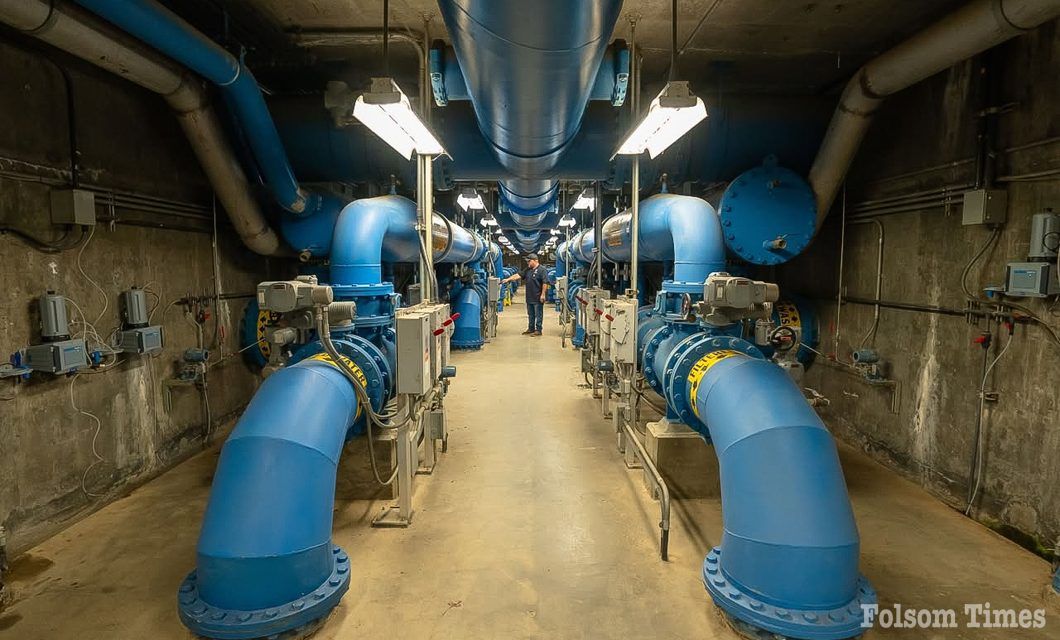
The current study is developing both five-year and 10-year financial models for the city’s water and wastewater utilities. Those models review operations and maintenance expenses, capital improvement expenditures, revenue requirements and reserve fund balances needed to support reliable service. City staff noted that state law prohibits the city from collecting more revenue than is necessary to cover these costs, making accurate modeling essential.
For wastewater services, projections show increasing expenses over the next decade, driven primarily by capital improvement needs such as system retrofits, upgrades and asset replacements. Study materials show wastewater capital projects averaging approximately $8.7 million per year between fiscal years 2027 and 2031, increasing to roughly $9.2 million annually in the following five-year period. Operating costs, including salaries and benefits, are projected to rise steadily, with no additional staffing included in the current assumptions.
Revenue projections under existing wastewater rates show modest growth tied to account increases, but not enough to fully offset long-term expenses. As a result, the consultant team has modeled a potential schedule of wastewater rate increases beginning in fiscal year 2026-27. Under that scenario, annual increases would generally range from 3 to 7 percent over a 10-year period, resulting in a cumulative increase of roughly 56 percent by fiscal year 2035-36. Average monthly impacts would begin around $1.50 per account and increase in later years as capital investments accelerate.
Water system projections reveal similar pressures, with millions of dollars in planned capital improvements over the next decade. Water capital spending is projected to average about $7.5 million per year between fiscal years 2027 and 2031, followed by approximately $6.7 million annually in the subsequent five years. Total water system expenses are projected to remain near $27 million to $29 million annually in the near term, with capital costs representing a significant share .
To support those obligations, the study presents a potential water rate increase structure that includes larger increases in the early years of the study period, followed by smaller adjustments later. Under the modeled scenario, water rates would increase 12 percent in fiscal year 2026-27 and 10 percent the following year, before tapering to incremental increases of 2 to 4 percent. Cumulative increases would reach just under 39 percent by fiscal year 2033. For an average residential customer, the first-year increase would be approximately $7.84 per month.
A central focus of the study, and a topic expected to be discussed at the upcoming City Council meeting, involves reserve fund policies. City staff and consultants are recommending updated minimum and target reserve levels for both water and wastewater funds to align with national best practices. The proposed minimum reserve would equal 25 percent of annual operations and maintenance costs plus one year of debt service, while target reserves would add 50 percent of the average five-year, cash-funded capital expenditures.
Under the proposed framework, the wastewater fund would target a reserve balance of approximately $6.35 million by fiscal year 2027, while the water fund target would increase to about $13.3 million. Officials say the revised policy is intended to ensure adequate cash flow, emergency readiness and the ability to immediately fund construction projects without delays.
The study also examines potential changes to surcharge structures. One proposal recommends establishing a wastewater surcharge for Sutter Street businesses to fund periodic cleaning of interceptor lines, with cleanings anticipated once every five years. In addition, staff are evaluating a restructuring of water surcharges citywide, including renaming the East Area Surcharge as a Central Valley Project Surcharge, maintaining the Folsom Plan Area Surcharge, and creating a new Ashland Surcharge tied to San Juan Water District water purchases. Under the proposed structure, all water surcharges would be based on water use rather than flat fees.
City officials emphasized that the Feb. 24 meeting is informational and represents the beginning of an extensive public outreach process. Additional Utility Commission meetings, a public workshop, and multiple City Council presentations are planned before any rate recommendations are finalized. Recordings, frequently asked questions and a future online rate calculator are expected to be posted as the study progresses.
If the City Council ultimately decides to move forward with proposed rate changes, the city must follow Proposition 218 and Assembly Bill 2257 requirements. That process includes mailing notices to all ratepayers, allowing a formal objection and protest period, responding in writing to valid objections, and holding a public hearing before any rates can be adopted. Under the current schedule, final recommendations would be presented in fall 2026, with any approved rates taking effect Jan. 1, 2027.
Residents are encouraged to attend the upcoming City Council meeting or follow future updates atwww.folsom.ca.us/ratestudyas the water and wastewater rate study continues.
Copyright © 2026, Folsom Times, a digital product of All Town Media LLC. All rights reserved. No portion of this publication may be reproduced, distributed, or transmitted in any form or by any means, without the prior written permission of the publisher.